How Lab-Grown Diamonds Are Made
Lab-grown diamonds are created using advanced technology that replicates the natural conditions in which diamonds form beneath the Earth's surface. While the process is accelerated from billions of years to just a matter of weeks, the result is exactly the same: a real diamond with the same chemical composition, brilliance and durability as one formed naturally. In this guide, we'll explore how lab-grown diamonds are created, the two methods used to cultivate them, and why both produce genuine diamonds of exceptional quality.
The Science Behind Lab-Grown Diamonds
Diamonds form naturally when carbon is exposed to immense heat and pressure deep within the Earth's mantle. Over billions of years, carbon atoms crystallise into the remarkable crystal structure that gives diamonds their exceptional hardness, brilliance and durability.
Rather than creating something different, scientists replicate these same natural conditions within carefully controlled laboratories. By recreating the environment in which diamonds naturally grow, they are able to cultivate genuine diamonds that are chemically, physically and optically identical to those formed beneath the Earth's surface.
Two Methods. One Identical Result.
There are two recognised methods used to cultivate lab-grown diamonds. While each follows a different scientific process, both produce genuine diamonds that are indistinguishable from mined diamonds once cut, polished and graded.
High Pressure High Temperature (HPHT)
The High Pressure High Temperature (HPHT) method recreates the extreme environment found deep within the Earth where natural diamonds first formed.
A small diamond seed is placed inside a growth chamber alongside pure carbon. The chamber is subjected to temperatures of around 1,500°C and pressures many thousands of times greater than atmospheric pressure. Under these conditions, the carbon melts before crystallising around the seed, allowing the diamond to grow gradually over several weeks.
HPHT is particularly effective for producing larger rough diamonds while maintaining exceptional quality, durability and brilliance.
Chemical Vapour Deposition (CVD)
Chemical Vapour Deposition (CVD) takes a different approach by growing the diamond one microscopic layer at a time.
A diamond seed is placed inside a vacuum chamber containing carbon-rich gases, typically methane and hydrogen. When heated, these gases separate into carbon atoms, which gradually bond to the seed, allowing the diamond crystal to develop layer by layer over several weeks.
This highly controlled process offers exceptional precision and is widely used to produce high-quality diamonds with outstanding clarity for fine jewellery and engagement rings.
Why Do Both Methods Produce Real Diamonds?
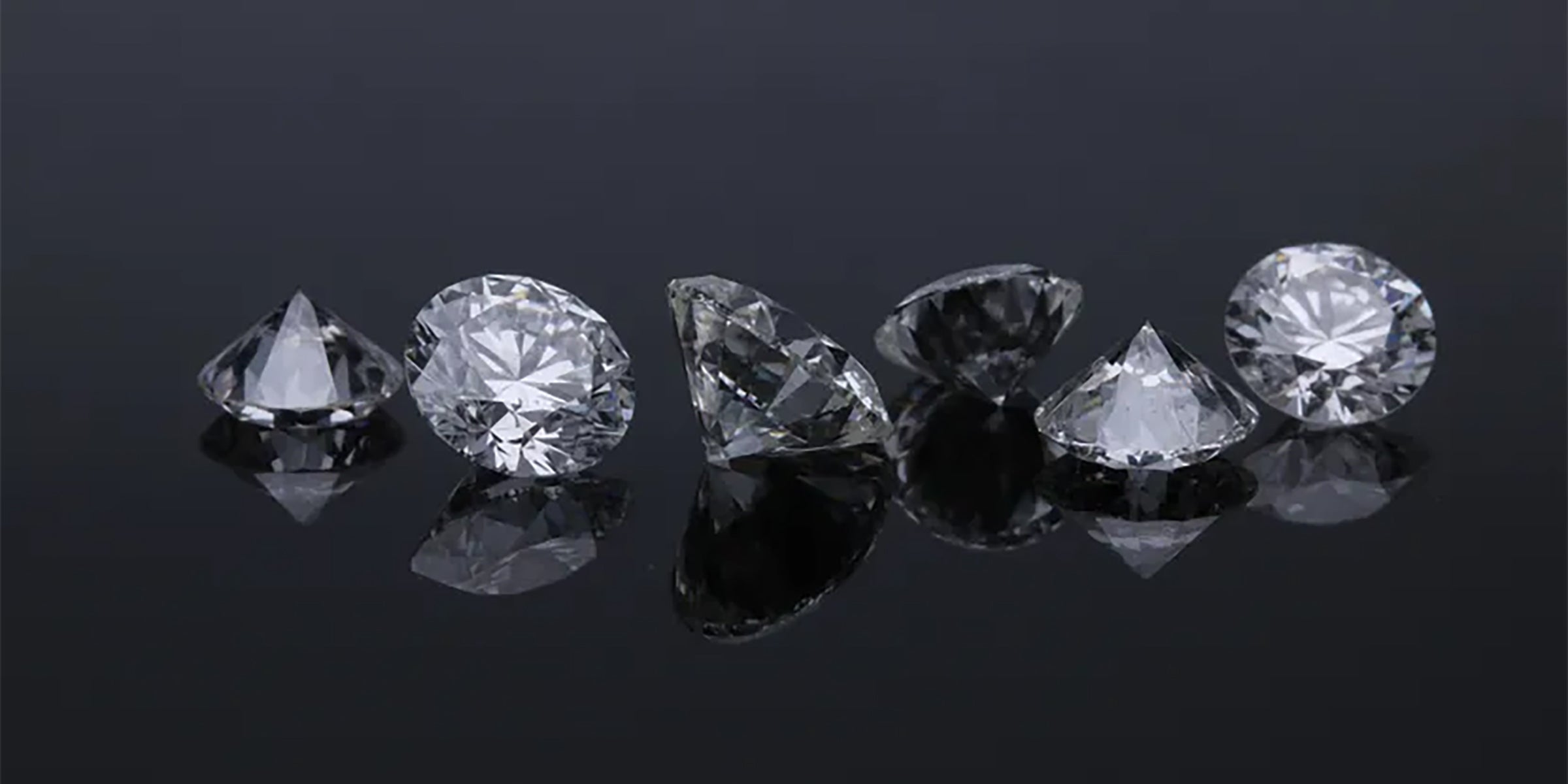
Although the technology differs, both HPHT and CVD produce genuine diamonds made entirely from pure carbon. Once cut and polished, they possess the same crystal structure, hardness, brilliance and optical properties as mined diamonds.
The only difference is how they are formed. Natural diamonds develop beneath the Earth's surface over billions of years, while lab-grown diamonds are cultivated in carefully controlled laboratories over a matter of weeks.
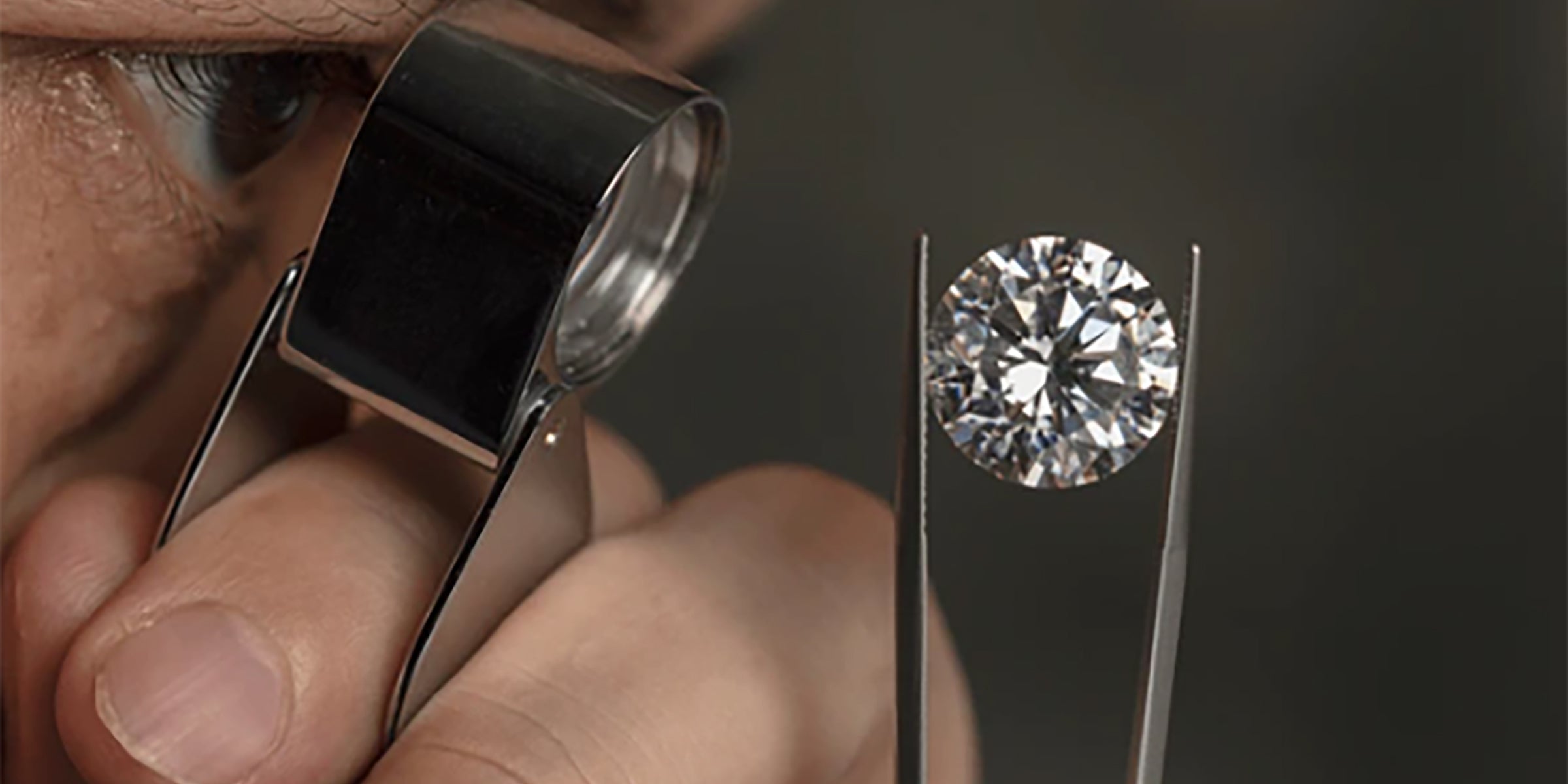
Both are graded using the same internationally recognised standards and can be independently certified by leading gemmological institutes, including the International Gemological Institute (IGI).