

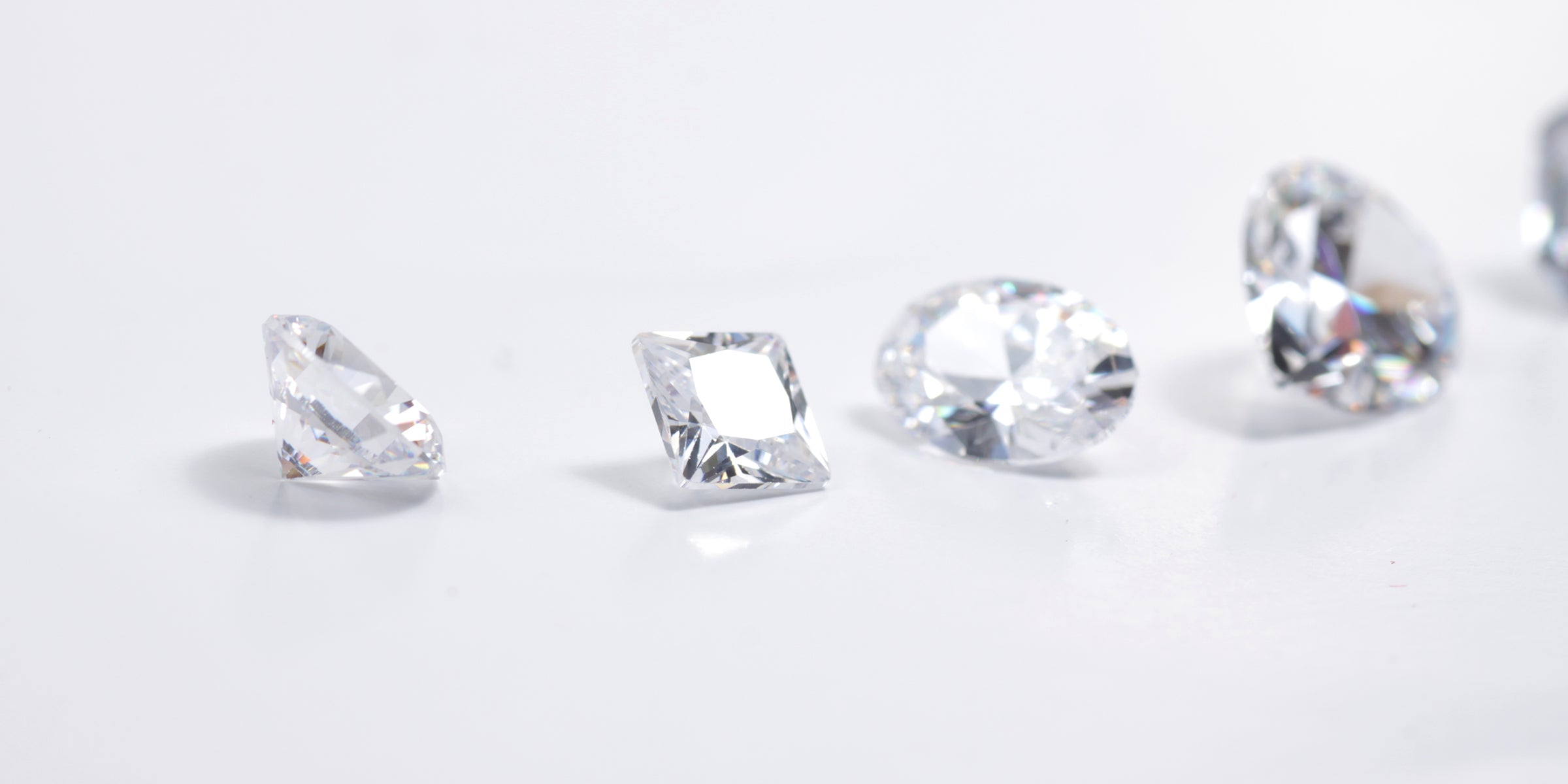
Understanding the 4Cs: Diamond Cut

What Is Diamond Cut? Why Diamond Cut Quality Matters Most
When it comes to diamonds, cut is everything. Unlike the other 4Cs—carat, colour and clarity—which describe a diamond's natural characteristics, cut is influenced entirely by human craftsmanship. It is the only factor that determines how effectively a diamond interacts with light, making it the greatest influence on its beauty and sparkle.
A well-cut diamond captures, reflects and returns light through the top of the stone, creating the brilliance, fire and scintillation that make diamonds so captivating. Even a diamond with exceptional colour and clarity can appear dull if it is poorly cut, making cut quality one of the most important considerations when choosing a diamond.
Diamond Cut vs Diamond Shape: Understanding the Difference
Although the terms are often used interchangeably, diamond cut and diamond shape describe two different characteristics.
Diamond shape refers to the outline of the stone, such as round, oval, pear, emerald or princess. Diamond cut, however, describes the precision of the diamond's proportions, angles, symmetry and facet arrangement, all of which determine how effectively it reflects and refracts light.
Simply put, shape determines how a diamond looks, while cut determines how beautifully it performs.
How Are Diamonds Cut? The Craft Behind Diamond Brilliance
Cutting a diamond is a highly skilled process that combines precision, craftsmanship and artistry. Every angle, facet and proportion is carefully calculated to maximise the diamond's ability to capture and return light.
Round brilliant diamonds, with their 57 or 58 precisely arranged facets, are the only shape to receive an official cut grade from gemological laboratories such as the GIA. Other shapes, known as fancy cuts—including oval, pear, emerald, marquise and heart—are not assigned formal cut grades but are still carefully assessed for their proportions, symmetry and overall visual performance.
Regardless of shape, exceptional craftsmanship is essential to unlocking a diamond's full brilliance.
What Makes a Great Diamond Cut?
A diamond's cut quality is determined by several key factors that work together to maximise its light performance.
Proportions
The relationship between a diamond's depth, table size, crown angle and pavilion controls how light travels through the stone. Well-balanced proportions allow light to reflect internally before returning through the top of the diamond, creating exceptional brilliance.
Symmetry
Symmetry measures how precisely each facet aligns with the others. Accurate facet alignment allows light to travel evenly throughout the diamond, enhancing its sparkle and overall visual balance.
Polish
Polish refers to the smoothness of a diamond's facet surfaces. A highly polished diamond reflects light cleanly, contributing to a brighter and more refined appearance.
Why Diamond Cut Is the Key to Brilliance and Sparkle
More than any other characteristic, cut determines how a diamond interacts with light. It is the precision of the proportions, angles and facets that allows light to enter the diamond, reflect internally and return to the eye.
This creates three distinctive optical effects:
- Brilliance – the bright white light reflected from the diamond.
- Fire – flashes of spectral colour created as light disperses.
- Scintillation – the sparkling pattern of light and dark reflections seen as the diamond moves.
Together, these qualities create the exceptional sparkle for which diamonds are renowned.
Diamond Cut Grading Explained
Only round brilliant diamonds receive an official cut grade. The GIA grading scale ranges from Excellent to Poor and assesses how effectively the diamond's proportions, symmetry and polish work together to maximise light performance.
Excellent
Outstanding proportions, symmetry and polish deliver exceptional brilliance, fire and scintillation.
Very Good
Excellent overall light performance, with only minor differences that are rarely visible to the naked eye.
Good
Produces attractive sparkle, although some light is lost due to less precise proportions.
Fair
Noticeable light leakage reduces brilliance and overall visual performance.
Poor
Significant light loss results in a noticeably dull appearance with limited sparkle.
Fancy-shaped diamonds are not assigned official cut grades but are still evaluated carefully for their overall craftsmanship and visual performance.
How Diamond Cut Affects Value and Appearance
Cut is often regarded as the most influential of the 4Cs because it has the greatest impact on a diamond's appearance. Two diamonds with identical carat weight, colour and clarity can look remarkably different simply because of their cut quality.
A beautifully cut diamond appears brighter, more vibrant and, in many cases, can even appear larger than a poorly cut diamond of the same weight. For this reason, gemologists often recommend prioritising cut above the other characteristics when selecting a diamond.
Are Lab-Grown Diamonds Cut Differently from Natural Diamonds?
No. Lab-grown and natural diamonds are cut using exactly the same techniques, tools and grading standards.
Once a diamond has been created, its origin has no bearing on how it is cut. Both require exceptional craftsmanship to achieve optimal brilliance, fire and scintillation, and both are assessed using the same principles of cut quality.
True Brilliance's Commitment to Cut Quality
At True Brilliance, we believe cut is the foundation of a beautiful diamond. Every diamond is carefully selected for its exceptional light performance, ensuring it delivers outstanding brilliance, fire and scintillation.
By prioritising expert craftsmanship alongside colour, clarity and carat, we ensure every diamond is chosen not simply for its technical grades, but for the beauty and sparkle it displays in real life.
Why Diamond Cut Matters Most
Cut is the characteristic that brings a diamond to life. It transforms light into brilliance, fire and scintillation, creating the sparkle that makes each diamond unique.
While colour, clarity and carat all contribute to a diamond's quality, it is the precision of the cut that unlocks its full potential. Understanding diamond cut allows you to choose a diamond that not only looks exceptional on paper but performs beautifully every time it catches the light.